"Vermont's Year Round Diversified CSA Farm"

You can eat fresh vegetables, and pasture-raised & grassfed meats from our farm YEAR ROUND!


Monday, November 27, 2006

Pasture-raised Pork Chops!

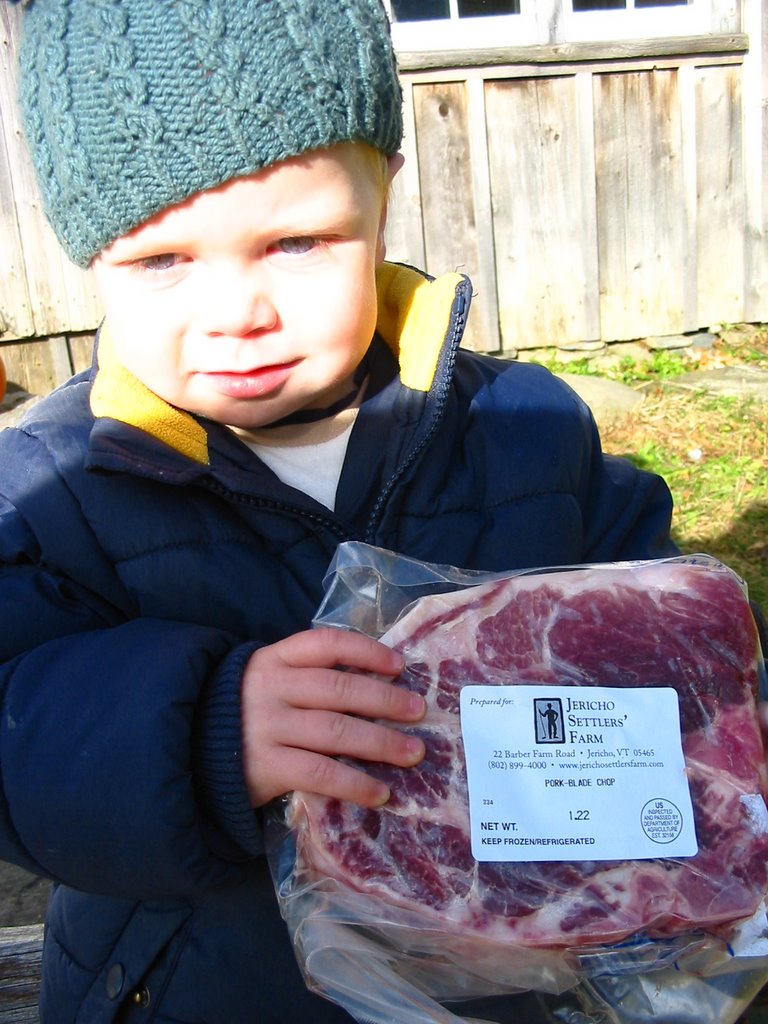
Asa holds a blade-steak chop from our heritage breed of pasture-raised pork. Look at the color and marbling of that pork chop! For comparison, go to the supermarket and look at what the pork industry (confined pigs on concrete, 100% grain diet, antibiotics and hormones added) produces and packages. Which meat would you rather eat and which farm would you like to support?

The taste and flavor of our pork is amazing. How do we do it? We give the pigs room to roam, rotating them through pastures. They drink fresh water and eat a diverse diet consisting of pasture, worms, grubs, cheese, garden vegetables, apple drops and Vermont milled grains.

Friday, November 17, 2006

piggly wigglys

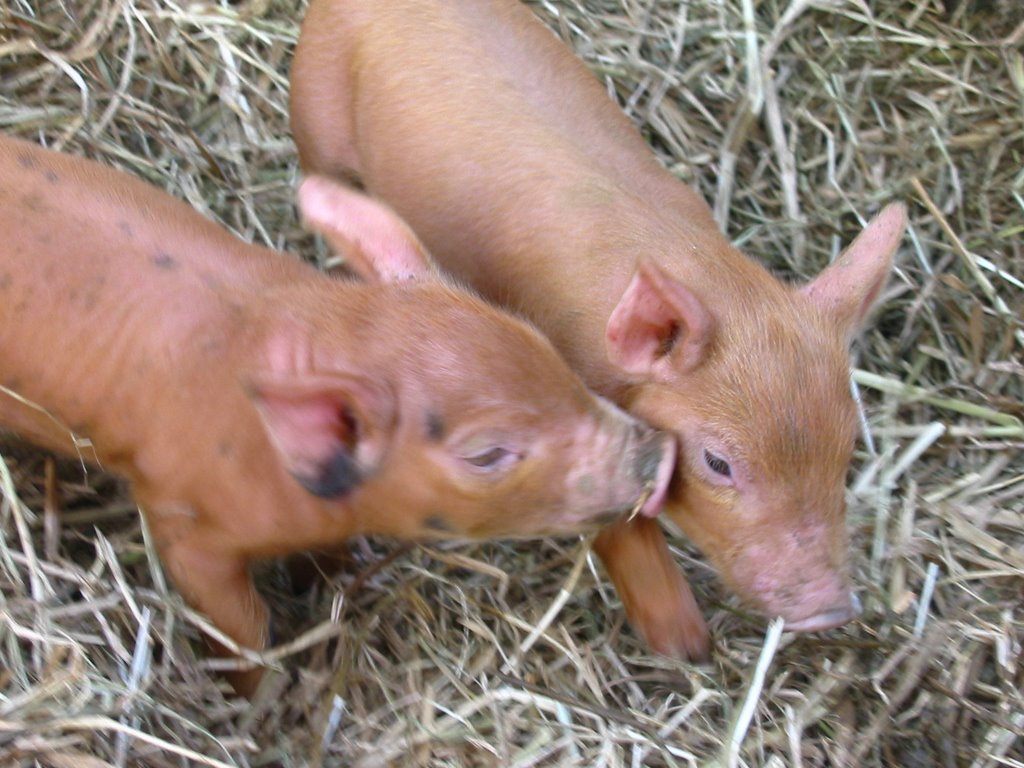
The Farm's first piglets! The two Tamworth sows we recently purchased just had piglets about a week apart. The first sow was bred to a purebred Tamworth boar, the second sow (in photo) was bred to a berkshire boar. Her piglets came a week after the first sow. They have some black spotting on them. All are healthy. Each sow farrowed 11 piglets and each lost one when we found the new piglets in the morning- so they ended up with 10 piglets each.

Both sows are in the same section of the hoophouse we built for them this fall. They share a well bedded space that is 10 x 25 ft in size and they also co-nurse. All the piglets sleep together in a pile and when a sow lays down and turns on her side they all run up to nurse. We will wean the piglets from the sows in about a month. The piglets will continue to stay in their section, the mama sows will be turned in with the boar for breeding.

Thursday, November 02, 2006

Planting the Stinking Rose


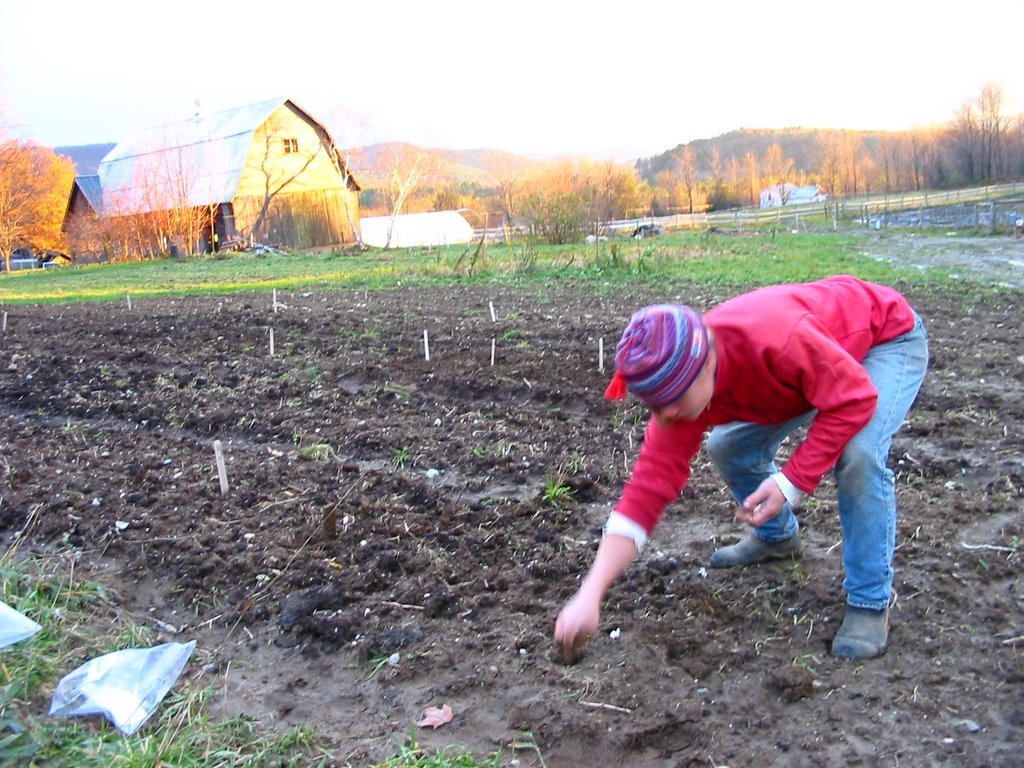
Christa planted nearly 3000 bulbs of garlic this fall! I didn't get a chance to help her as I was building the livestock hoophouse - so she can claim all the credit and glory for next years garlic crop. She is planting some new varieties that we recieved from a friend down the road. He is a botany professor that loves garlic so we swapped varieties. We also swap garlic with non-botanists.

You can always tell when winter is coming - Christa starts to wear her ski beanie. I don't think she has ever planted garlic without a beanie on her head!

Multi-use Hoophouses


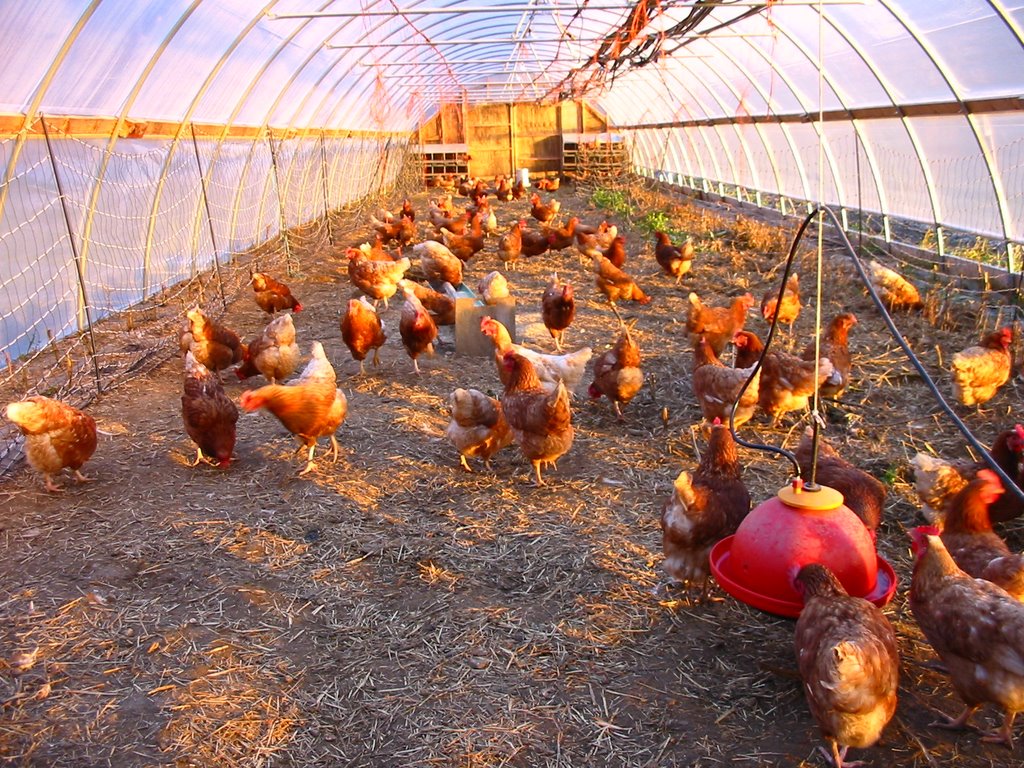
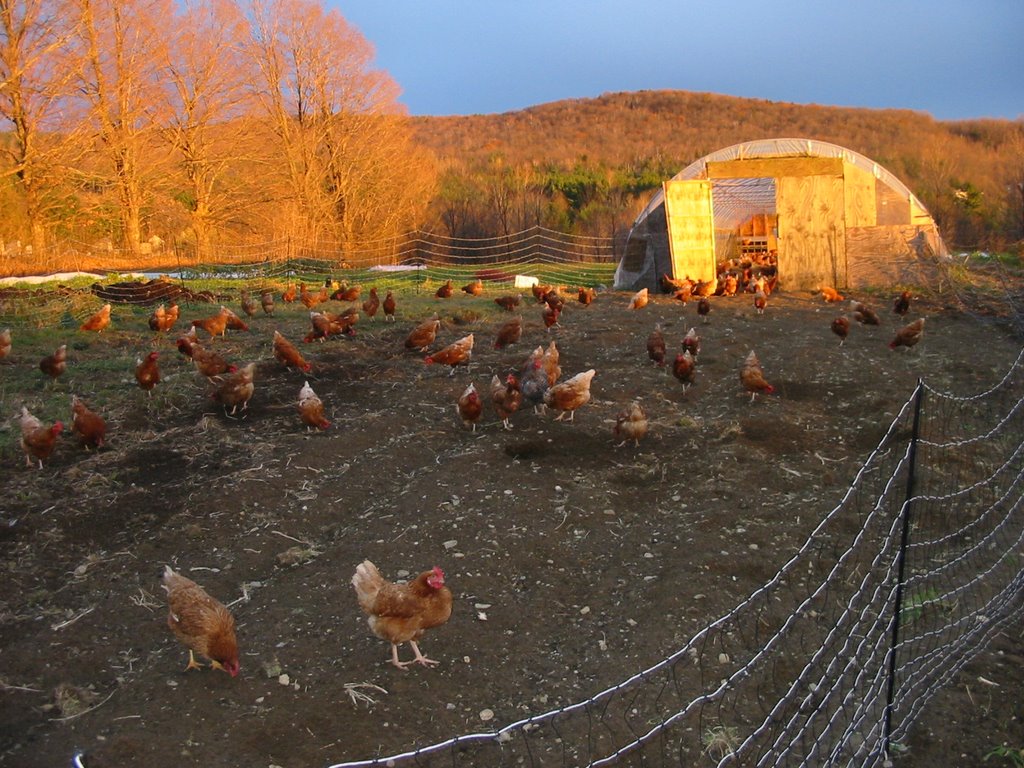
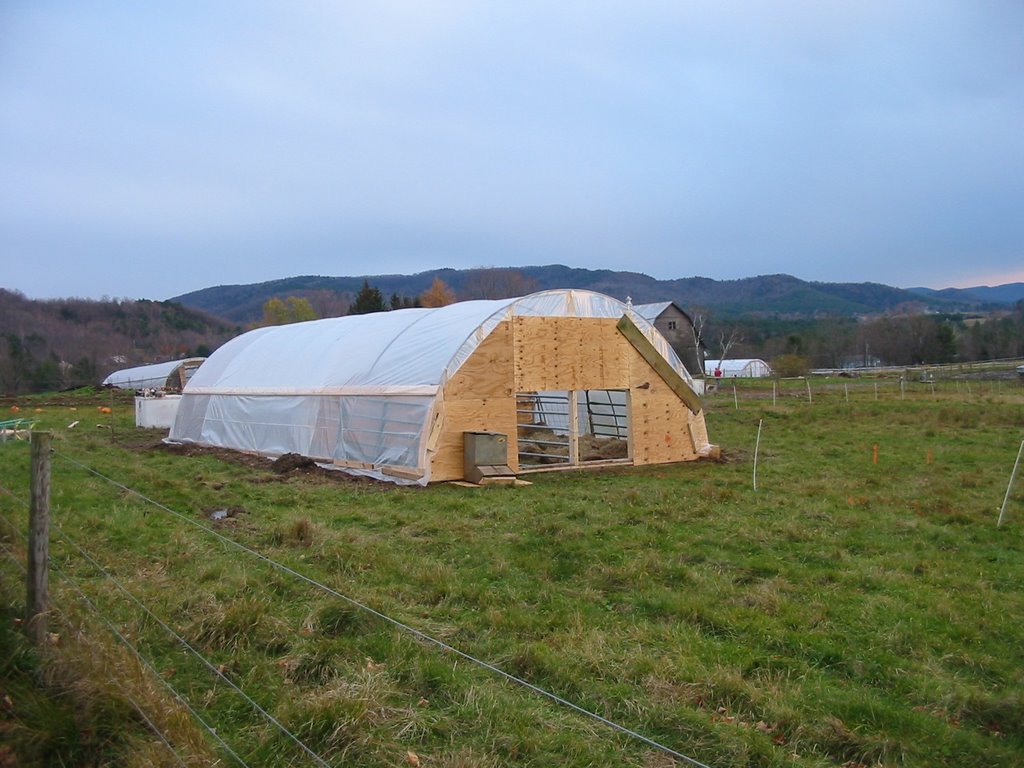
I am a hoophouse convert! These are great structures for growing vegetables and flowers. You can extend the growing season on both ends (early spring, late fall) by using a hoophouse. It is an unheated structure with one layer of greenhouse plastic. The only heat generated inside the hoophouse is during a sunny day - unless you add some animals! Which is what we are doing this year. We are overwintering 200 laying hens in our 20 x 96 ft hoophouse that grew tomatoes, peppers, and celery root this summer. The hens get to roam out on the garden beds and use the hoophouse to get out of bad weather, for water and to lay eggs in their nestboxes. The nest boxes are attached to the plywood end wall near the doors (at the far end in the photo to the right. When the snows come -and they will its Vermont after all- the hens won't journey onto the snow, so we will add mulch hay to the inside of the hoophouse for them to pick through for grass seeds and to absorb their manure. In the spring when we let them out into the pastures we will compost the mulch hay that has accumulated. It eventually will make it back onto our fields as finished compost!

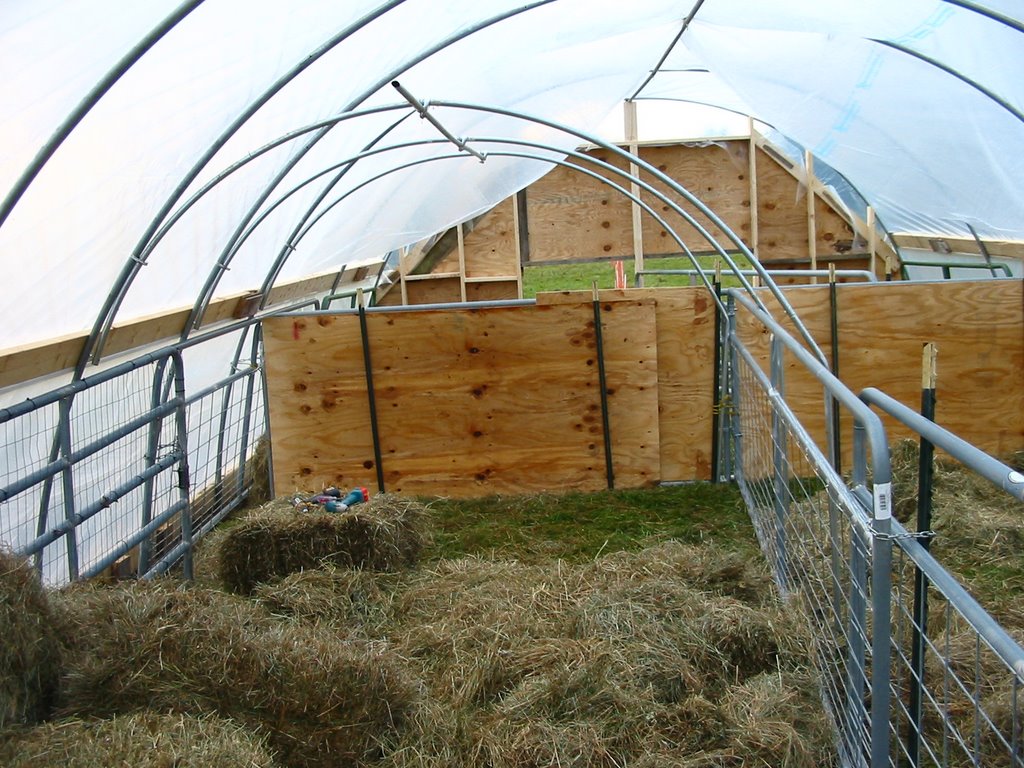
We built another section of hoophouse within the fenced pasture this fall. We had enough hoops from our used hoophouse frames we bought last year to build this 40 ft long section. This hoophouse will house our breeding group of sows, and some young pigs that we are growing out for spring processing. This house has an electrical box and a water hydrant in it -for watering pigs and keeping water from icing up by using electric de-icers in the water tubs. Hauling 5 gal pails of water out to pigs in the deep, dark, icy grip of winter is no fun! The pigs always have access to the pasture. They get 9 acres of fenced pasture to roam during the winter if they choose, they can use the hoophouse during bad weather and for sleeping quarters. The sows are free to use it for farrowing. Adding alot of dry mulch hay during the winter and the heat from a sunny winter day will keep everyone warm and dry. Pigs do fine outside in the winter and in snow - they just need a place to get out of the wind. Once spring arrives we will get the pigs onto their pasture paddocks and free up the hoophouse to grow vegetables and/or flowers. All the accumulated mulch hay will be composted and later added to the gardens.

We believe in using our structures year 'round, that is the beauty of being a small diversified farm. If we only grew vegetables these structures would be dormant for about 5 months.

Friday, October 13, 2006

Vermont Prosciutto

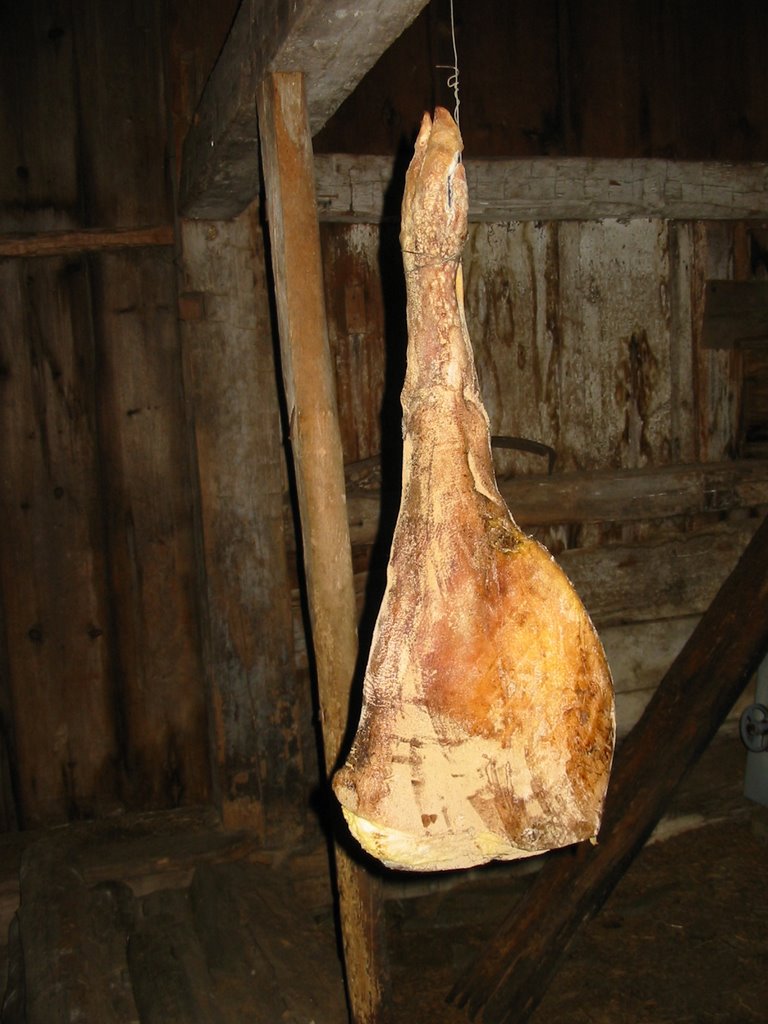
Hanging from the beam of our 1800s English style barn is my experiment in creating Prosciutto (aged ham). The leg is from a boar (intact male pig) that we had butchered this spring. I salted the leg for about a month, brushed all the salt off and its been sitting in our summer kitchen all summer (stays cool in there) and i finally got around to hanging it in the barn so it can continue the aging process. I still need to render some lard from the pork fat i have in the freezer. The lard is applied to the leg which helps the aging process. It takes a year or two to create prosciutto and you don't know if you have succeeded until you slice some off and taste it. So next spring or fall I will report back with the results!

Asa's Windsor High Chair

I finally made some time to get back to work on Asa's Windsor high chair that I started last winter. I have a woodshop in the attached woodshed to our old farmhouse. We have a copy of a copy of the work order for the construction of this woodshed that spells out the work to be done by whom and at what cost (part to be paid in cattle, part to be held in a note). It also includes a list of materials for the job and some math scribbled about. The date of the document is 1833.

Anyway - the legs and arm spindles on Asa's chair are from an old maple tree out back that I harvested since it was dying and crowding another nice maple. I split out firewood size sections of the maple, rounded them out with a hatchet, then chucked them in the wood lathe and turned them to shape. The seat - of poplar- is chopped, carved, drawknifed and spokeshaved to shape with old hand tools. I still have to finish the curved arm and back, back spindles and head crest. Once that is done it will be painted and waxed for Asa to put to work.

A visit to camp


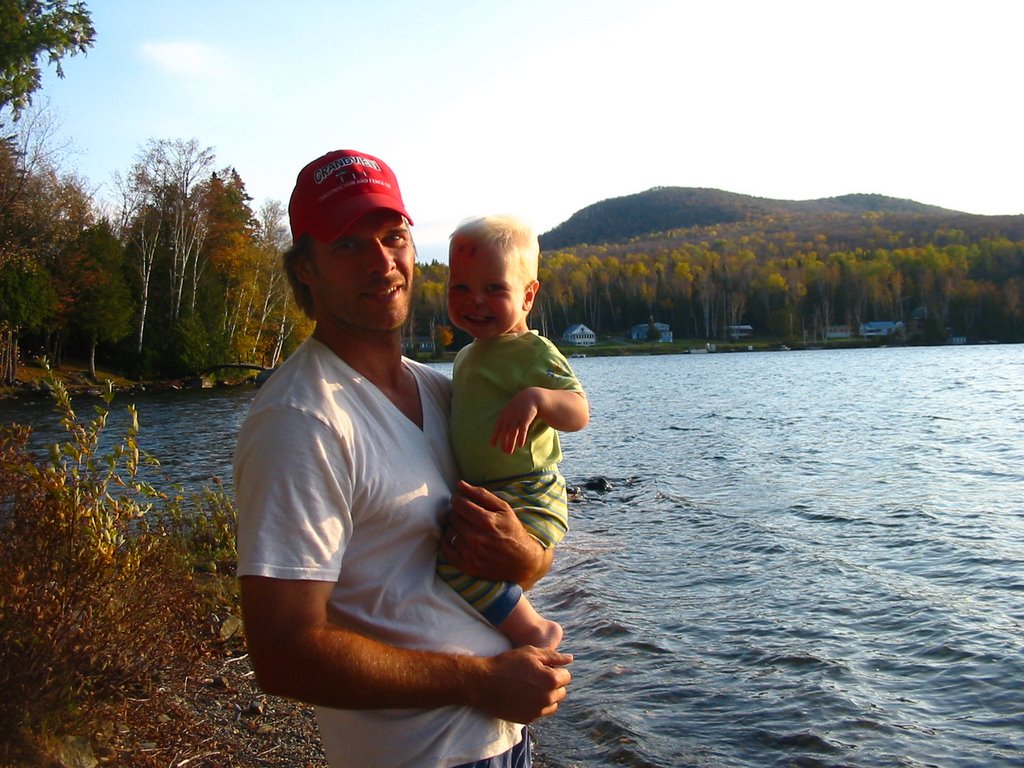
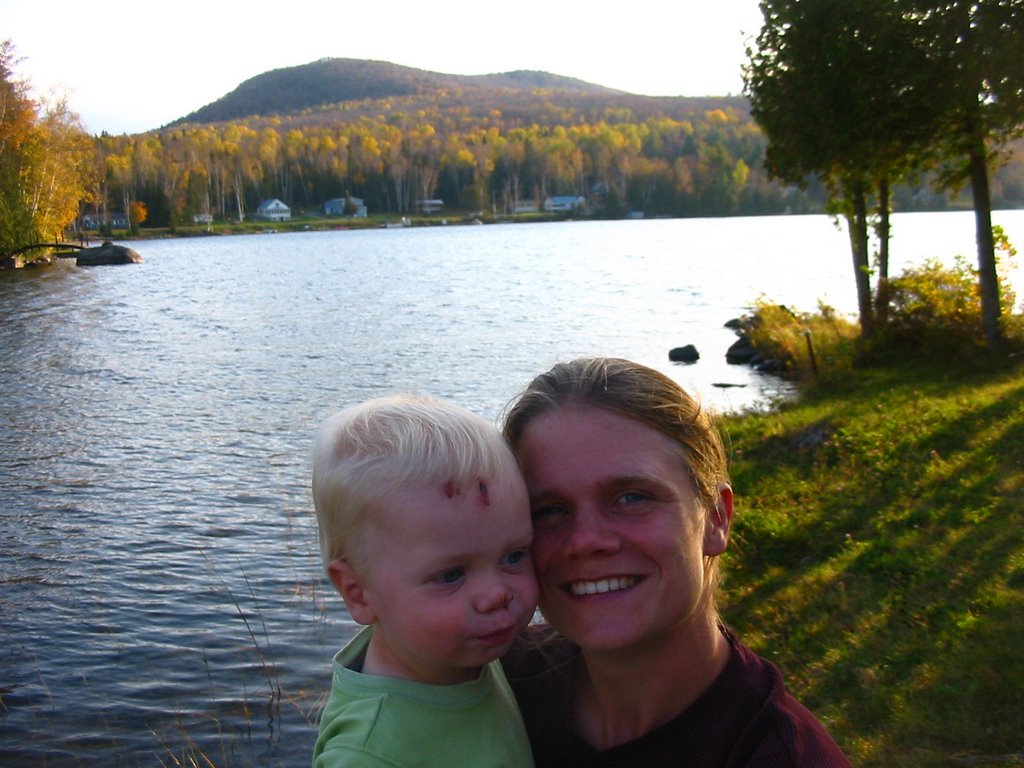
We made a visit to "camp" up in the Northeast Kingdom of Vermont. The visit was partly to get off the farm for a bit (24hrs anyway) and to celebrate our wedding anniversary. Christa's folks own a small camp on a lake -as you can see in the photos. We seldom get up there since we started farming, but with no broilers to raise, lambs all shipped to the slaughterhouse, and the gardening winding down, we made some time to get out with Asa and enjoy walking around and canoeing on the lake. The day we drove out was very warm for early October - in the 70s.

Monday, October 02, 2006

Planning for hot-dry-freezing weather


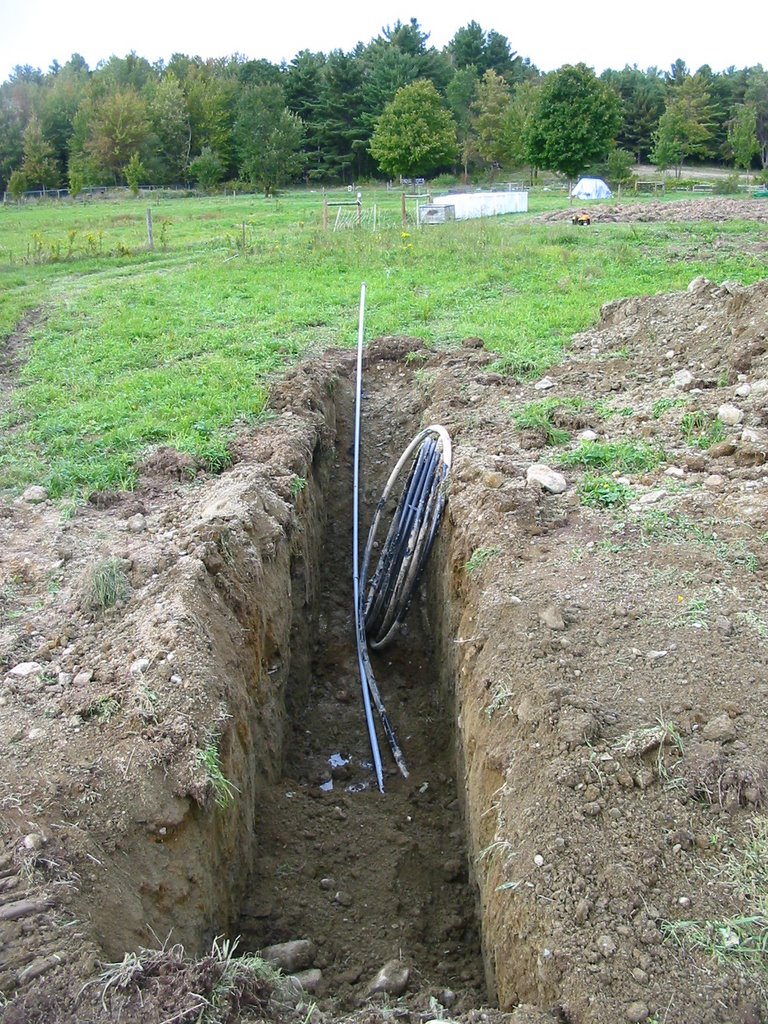
We made the decision that the farm needs to invest in a reliable water source for summer vegetable crop irrigation, pasture irrigation and livestock watering in summer and winter. So we made a sizeable investment by having contractors tap into an existing drilled well on the property and bury water line w/hydrants and powerline to our crop fields, and pasture. We have been tapping into the house shallow well down across the road near a stream. We were lucky it was a wet year and had no problems watering our livestock and crops. But we could see the writing on the wall for the future growth of the farm, the need for a reliable water supply on the farm, and the honest fact that I don't want to haul water in 5 gal buckets for the pigs and laying hens this winter!

The Late Blight!


Our potatoes and tomatoes got hit by a late blight. Blight is caused by a fungus that eats away at the fruit and vines. It came in on some wet, cool, windy weather in late August and within a few days the plants started to wither and die. We sent a sample to the University of Vermont Plant Sciences Dept and they confirmed that it was Late Blight. So we have to destroy the blight affected fruit and all the vines through fire or deep burial. Fire is more exciting so we went that route. But we are bummed as we planned on having hoophouse tomatoes through October and we had to destroy alot of green fruit that were on their way to ripe tomatoes! That is farming though, you roll with the punches and move on. I am glad that we are a diversified farm and can rely on other sources of income from the farm that are not affected by plant disease: The beef, pigs, lamb and chickens are all doing well and will be "harvested" this fall.

Monday, September 04, 2006

Ernesto damages chicken pens!


Hurricane Ernesto - downgraded to a tropical depression - brought some mighty fine winds to our farm! Two of our 6 pasture pens we use for moving our chickens across the fields were blown over and bent. We lost 12 birds due to crushing and hypothermia (rain and wind). We spent half of the day repairing pens and getting the birds back under cover with food and water. They looked much better later in the day. We hammered in some steel posts at the corners to hold pens down. Should have done that the night before and could have saved ourselves and the birds some trouble!

Celebrity Farming!


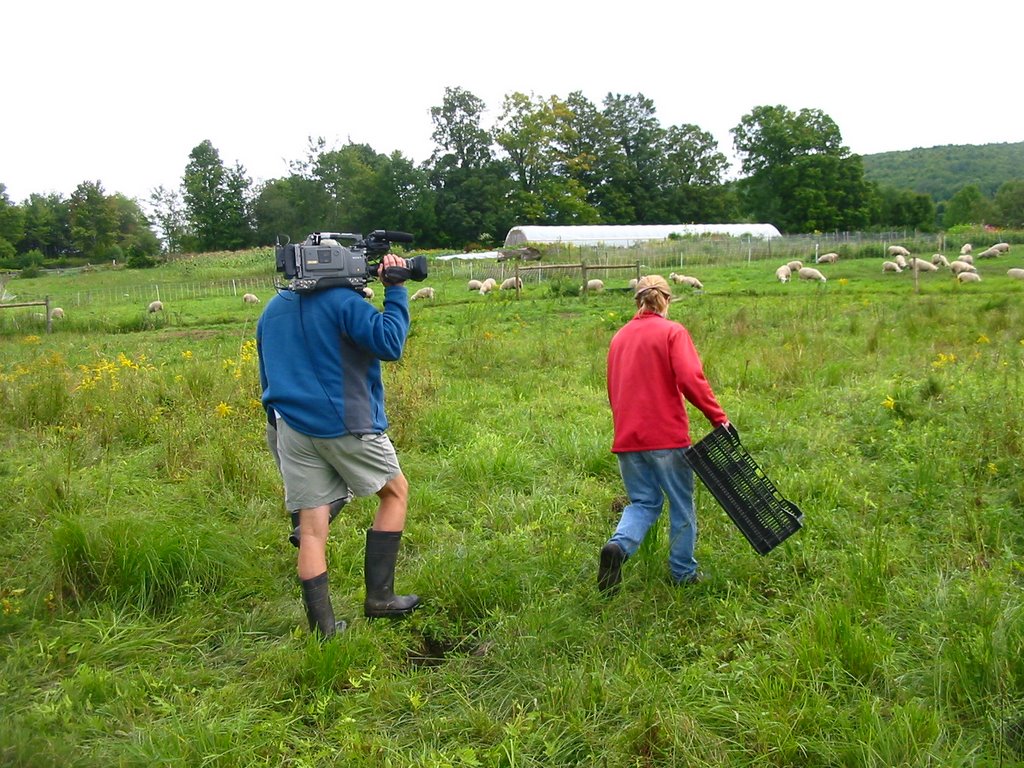
Do you ever feel like someone is following you while you are doing farm chores? It happened to Christa last week. Our farm and the farmers were being filmed for the Womens Agriculture Network (WAGN) program. They will be including our farm as part of their online curriculum - streaming video. Christa was a graduate of their program about 5 years ago. So the Director Beth, Film man Jeff and Sound guy Chris followed us around while doing chores and then sat us down and interviewed us about how we got started in farming, what the challenges are, and what the future holds. We hope our farm and experiences are helpful to other prospective farmers. We need more small farmers to grow good food and connect with their communities!

Wednesday, August 16, 2006

Vermont Pastured Meats

The sun is shining and the grazing is good!

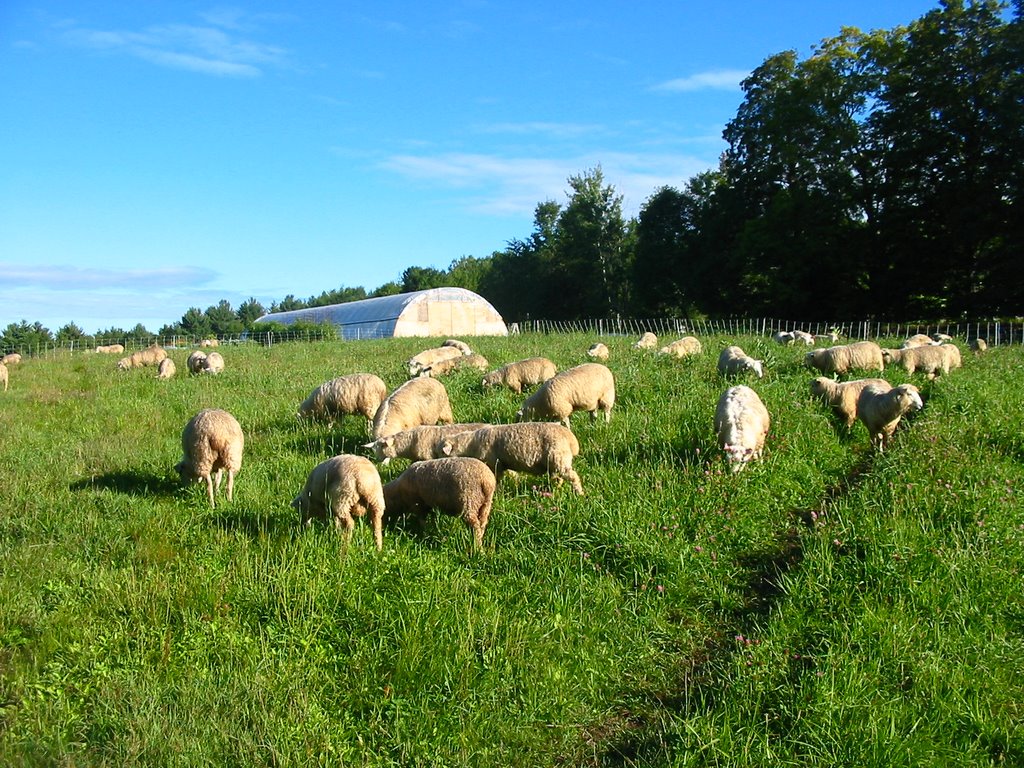
The lambs are looking fat and happy grazing on their paddock. They get a fresh slice of pasture every 1 to 2 days. No grain for these ruminants, their physiology is set up to process grass and they do a wonderful job of converting it to lean flavorful meat. Lamb is a favorite of our customers and we sell out of them early every year - even though we have increased the numbers we graze on our farm every year!

Our pigs like their pasture as well. We give them a larger paddock to graze and root around in. We move them to a new piece of pasture every 2 to 3 weeks. The pigs are monogastric (like us humans) and we supplement their pasture with cheese cut-offs from a cheese plant, vegetables, out of date store milk, and occaisonally some grain. The resulting pork has unbelievable flavor from pigs raised in this manner! We still have pork available and will be sending a batch to be processed in October. Visit our farm at www.jerichosettlersfarm.com to learn more about what we raise and grow at our family farm and how to purchase these and other healthful meats.

Tuesday, July 11, 2006

Outdoor Chicken Party


We processed our first batch of pastured poultry last friday. They have been on pasture the day we got them as chicks in the mail. They have done suprisingly well considering how wet it was this spring! There were quite a few days when i had to put down some old hay in their pasture pens to keep them out of the water flowing through the pasture.

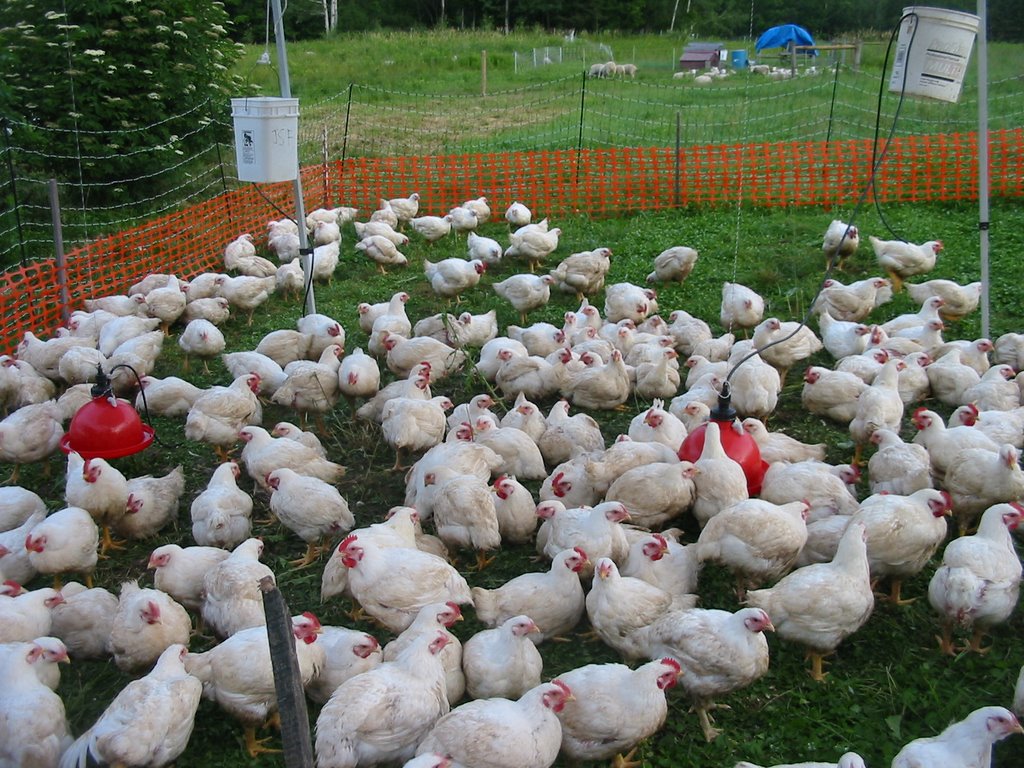
The photo shows our holding pen for the birds (244 of them) next to the processing area near the barn. You can see the broiler brooders in the background housing the 3rd batch of poultry (the 2nd batch is out in the pasture pens). I went with this setup this year and it worked well. I gather the birds the night before processing from each pasture pen and drive them to the pasture holding area, set up a canopy and hang waterers from it, set up a perimeter fence and outside that electified poultry netting. From the evening I put them in the holding area until we process them early the next day, the birds do not get any grain (though they eat grass and clover in their holding area). This makes the processing a cleaner affair.
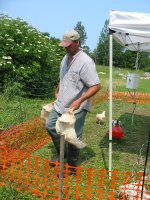
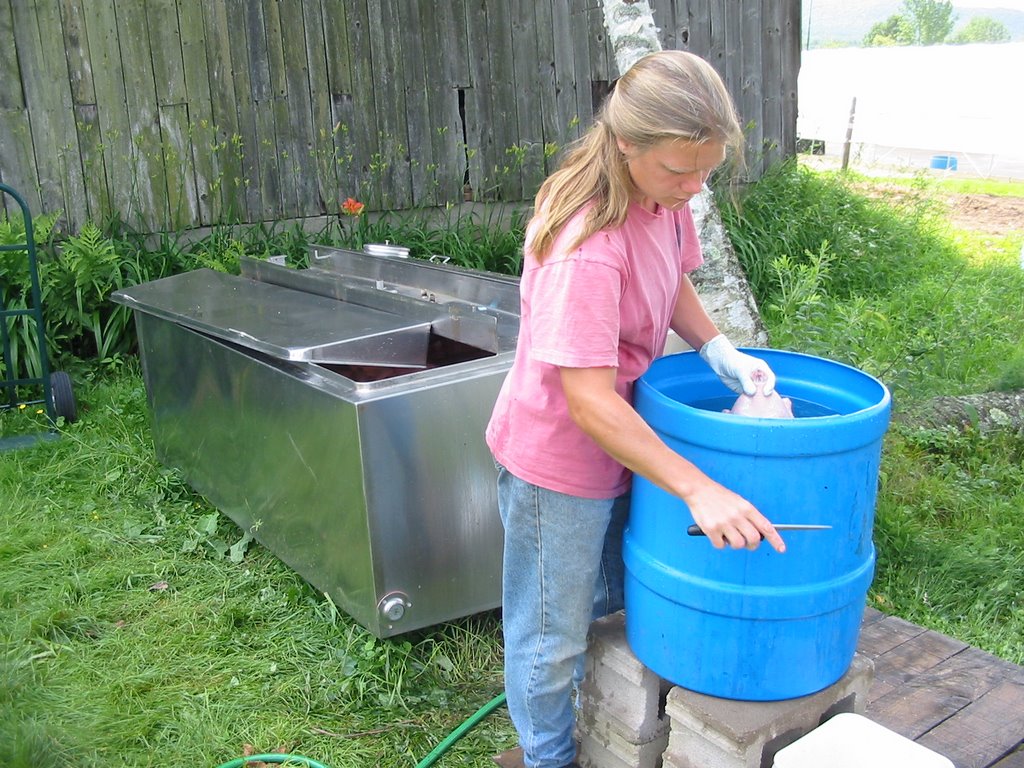
Yours truly is on the right evicting a few unruly customers from the beer tent! I grab three at a time to give to our helper and chicken processing guru who processes the birds. After they are killed, plucked and gutted they go into a cold water tub. Christa retrieves them from the tub into another tub and goes over them picking out pin feathers, cutting off their oil gland and sorting them into cold water tanks for customer birds and home birds.


The customer birds end up in a larger tank (stainless steel milk bulk tank behind Christa in the photo to the left) filled with water and ice to cool the birds down. We break for lunch and then pull the birds from the bulk tank, drain water from them, insert giblets, bag them, weigh them, put on labels and then rest them gently into the refrigerated produce cooler. They age there until the following day when the customer comes to pick up their fresh pastured poultry.

Chicken produced and processed in this manner results in a far superior product than the mass produced chicken you buy in the supermarket. Our birds are raised humanely on pasture, supplemented with grain, drink fresh water daily and have plenty of room to roam. They are the best tasting chicken you will ever eat! Guaranteed!

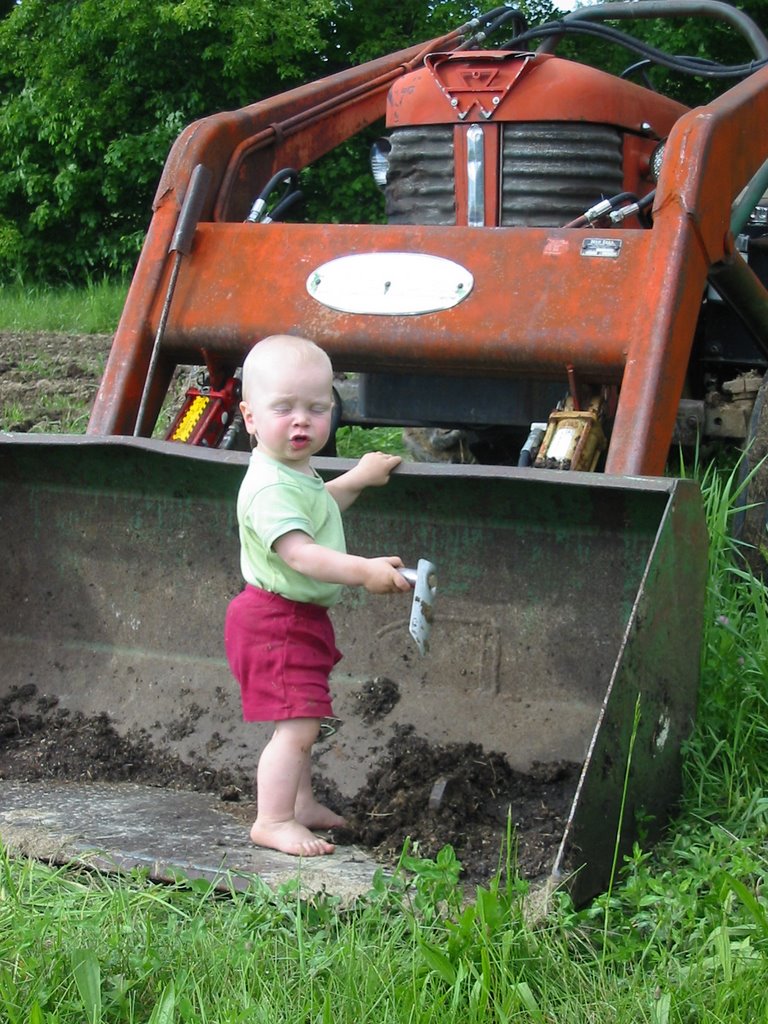
The hand trowel is mightier than the tractor bucket!


Our boy Asa cleans out compost from the tractor loader. He is the only one that will volunteer for this job and as you can see he takes it seriously!

Friday, May 19, 2006

Superior Beef Genetics doing its thing


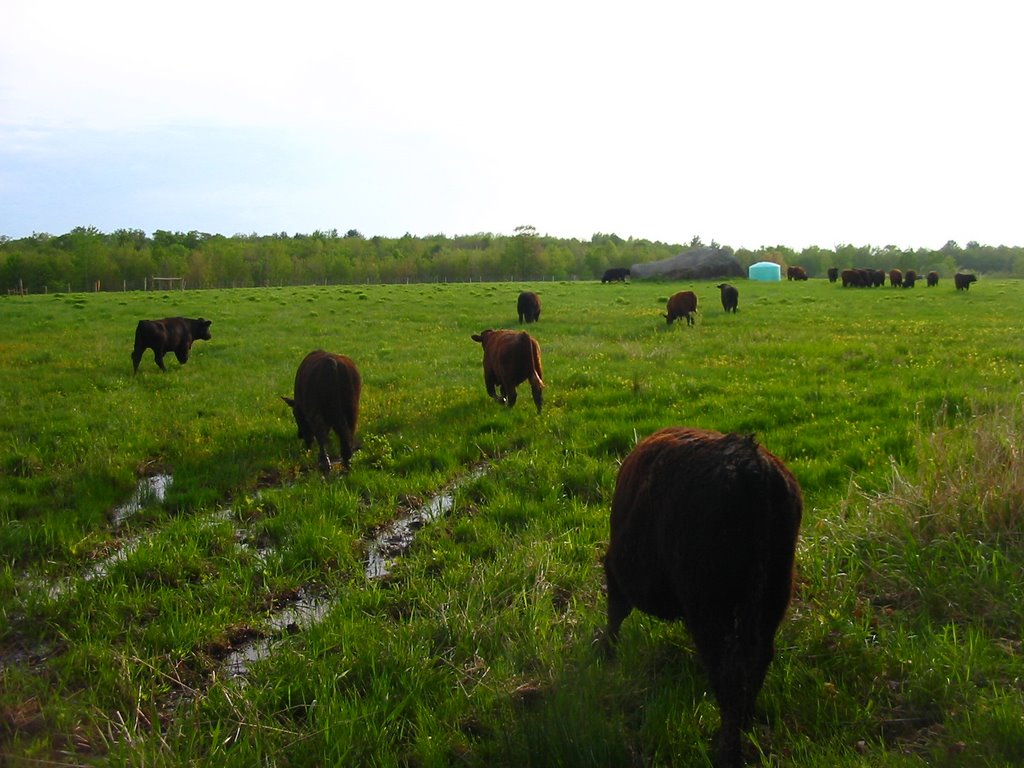
Devon/Angus cross yearling steers are on the pasture! We will be grazing and finishing these beef on our neighbor's pasture. Grass and water will be their diet and the result is high quality, flavorful beef for our customers. Go to our website to order %100 grass fed beef today!

The grass fed genetics in these animals are from The Bakewell Reproductive Center. The Center is a purveyor in the best of grass fed genetics for cattle. Some of these animals will also be marketed to Hardwick Beef, who purchase %100 grass fed and finished cattle from Northeast Farmers. They require a strict grass finished protocol. Visit their site to learn more.

We will report on the progress of these fine animals throughout the season, so come back often to read more!

Monday, May 15, 2006

In Like Finn!


The tomatoes are in our first hoophouse! We finally got the house ends completed, beds formed, drip tape layed out, and the tomatoes put in. My lovely wife Christa is doing the transplanting of some very large tomato plants. They have done well in our greenhouse. We will have 3 rows of heirloom tomatoes in the middle and a row each for peppers near the hoophouse sides. We are excited about growing vegetables in our hoophouse, it will provide us with earlier crops for our Summer CSA and farmers markets and will allow us to extend the growing season into the fall for our Winter CSA. How does crisp, succulent spinach from November through February sound?

Finn is my Pa's name and the name of our good neighbors' son (little Finn) who is a frequent farm visitor.

Wednesday, May 03, 2006

How to spend a nice spring day...


at an auction waiting to bid on an old tractor and farm implements! I traveled to the other side of the State (Fairlee, VT along the Connecticut River) to have a look at a 1964 tractor with a loader. I also noticed some farm implements that would go well with the tractor and help us on the farm. This was a consignment auction with a lot of farm implements and tractors of varying ages and conditions. Of course they start auctioning off the small misc. stuff and it wasn't until about 3pm that the tractor I had my eye on came up for bid. Its hard to spend a nice day waiting around while there is plenty of work to do back on the farm.

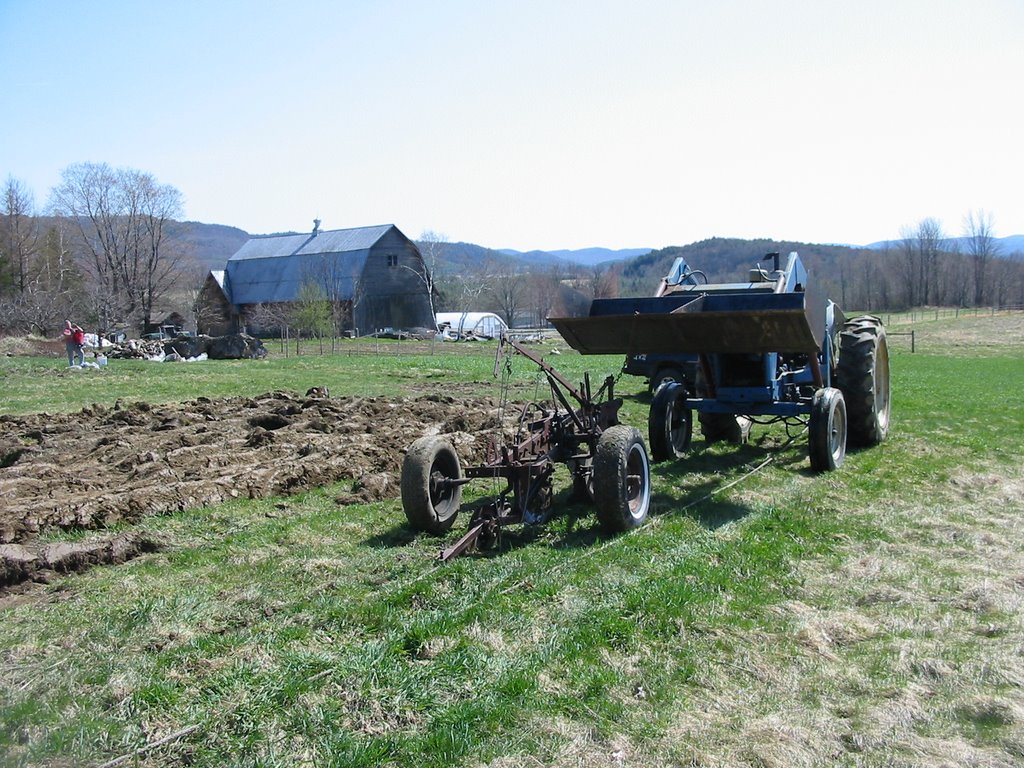
A lot of folks where checking out the tractor in question - a 1964 Massey Ferguson 65 Dieselmatic with Multi-Power. It had a New Idea loader, chains on the back tires and a homemade counter weight on the 3-point hitch. I didn't think it would go for more than $3000. The bidding started at $2000 and quickly went up to $3200. I hadn't even jumped in to bid at this point and was hesitating to do so. I kept thinking of the prices of other used tractors with loaders that have been selling for $5000 to $9000 in various ads and other auctions. I knew we could use this tractor on the farm and it could reduce our time on some tasks, so I was doing a cost-benefit analysis in my head when the price jumped to $3400! The auctioneer was looking for the next bid at $3500. My hand shot up and a few more bids later the tractor was headed to our farm!

A used 2 bottom plow and disc harrow were added to the mix - so now we can prepare vegetable beds and incorporate cover crops and compost with this set of tools.

Friday, April 21, 2006

Vermont Plowing


We do things a bit different here in Vermont. We plow backwards!

Our good neighbor, man of few words, local tractor and farm implement guru - Arnold, came over to plow up some new vegetable ground for us. He hit a wet spot in the field and had to pull the plow out backwards.

We had last years hogs on this section of ground, providing a source of nutrients and doing a bit of plowing on their own! We had hoped to have the ground plowed up last fall, but the weather did not cooperate. Just before Arnold showed up, Christa and I just spread 1 ton of lime on the new plots with a hand spreader. Heavy, messy work but we are used to that.

Since we don't own a tractor we rely on our good old neighbor. So far the arrangement works pretty well. Our neighbor gets some spending cash, we get the heavy work done in a timely fashion, and we don't have to make payments on a tractor or fix the damn thing all the time. Though I do find myself lingering over the farm classifieds for a nice old tractor....

Monday, April 17, 2006

Shoulder to Shoulder


We are raising a heritage breed of pig this year. We were fortunate to find Tamworth piglets from a Vermont pig farmer who raises excellent piglets! The Tamworth is a rare breed that was once numerous in the states on small family farms. The era of big factory pig farms that raise pigs in confinement led to the decline of this breed - they do not tolerate confinement. They are known for their good mothering skills, mellow nature, flavorful meat, and most of all their ability to thrive on pasture eating grass, grubs and worms! They take a little longer to grow out to market weight, but the taste of their meat is worth it. We are excited to raise and offer this rare breed of pork!

Tuesday, April 11, 2006

WELL, Well, well


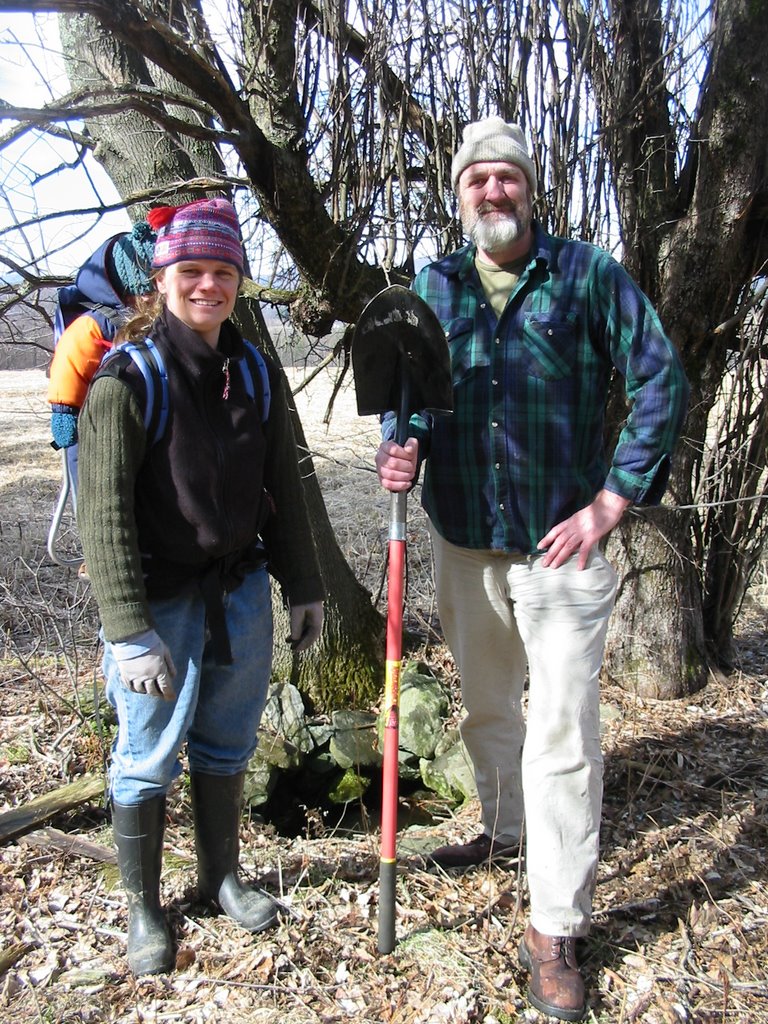
Christa and Chuck are standing in front of the old well site on the neighbors farm where we will be rotationally grazing beef and lamb. We are planning on pumping water from here to a storage tank that will then gravity feed to water tanks on the pasture. We and the landowners are excited to be grazing animals on this beautiful farm. Last fall we had a fence contractor put up a 6 strand Hi-tensile fence surrounding 25 acres of level pasture. We should have 25 head of beef and 20 lambs grazing here within a month.